
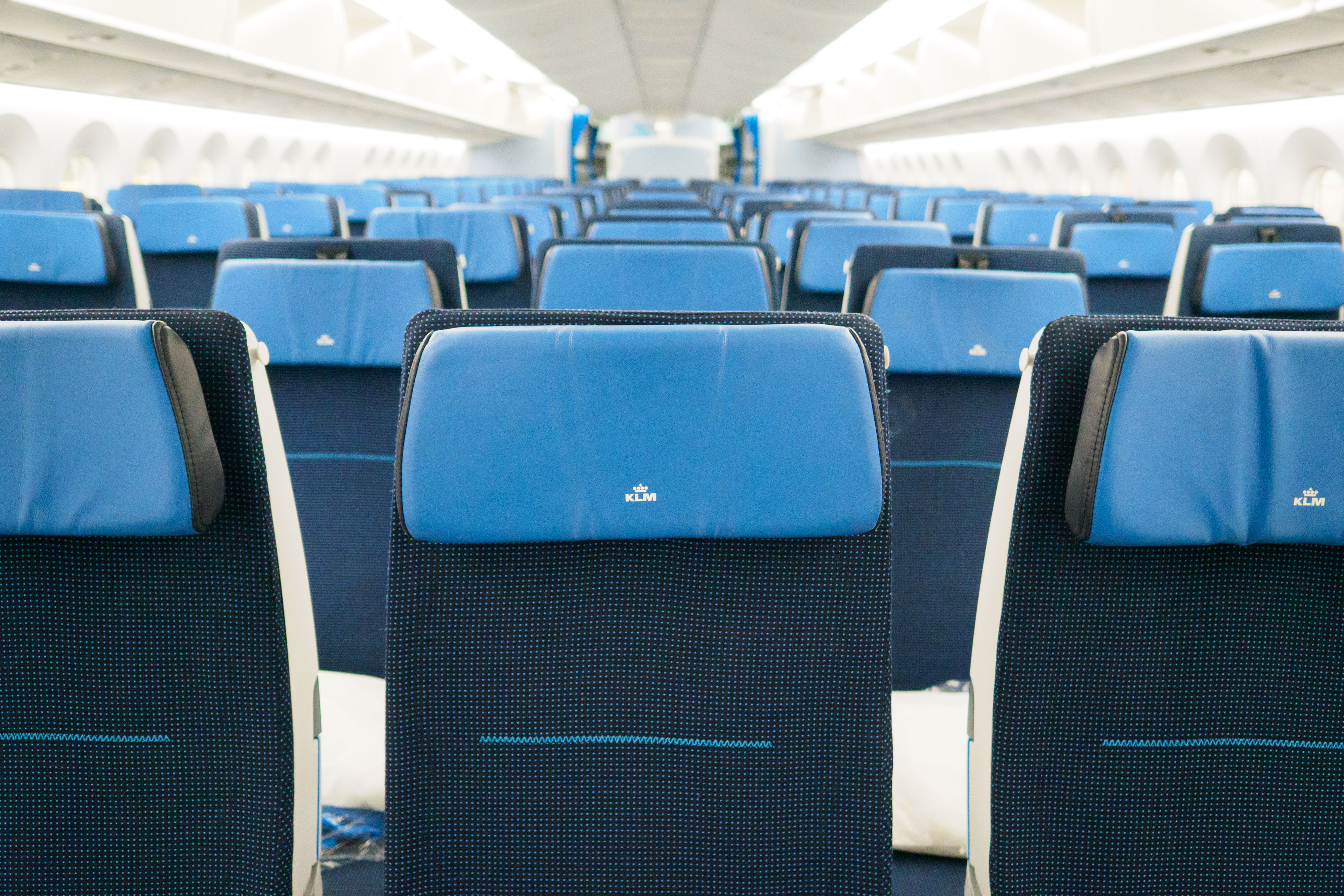
Where to Sit on a Plane: A Maintenance Perspective
Choosing the perfect seat on a plane is a common dilemma for travelers. While factors like legroom and proximity to the lavatory often influence our decisions, there's another perspective to consider: the maintenance perspective.
Thanks our exclusive process of positioning each part in the cabin configuration, our customer can visualize the heatmap of findings in a specific aircraft.
So, Which seats are most likely to have maintenance issues? and why?
The First Row: A Maintenance Nightmare.
While many passengers covet the extra legroom and privacy offered by first-row seats, they often come at a cost. The tray tables integrated into the armrests of these seats are subjected to frequent use and abuse, leading to wear and tear. The constant opening and closing, coupled with the weight of laptops and other items placed on them, can cause the assembly to deteriorate over time. Particularly:
- Arm LCD Provision
- Movable Armcap
- Tray Strap
- Inner receptacle of the tray
Aisle Seats: A Bumpier Ride
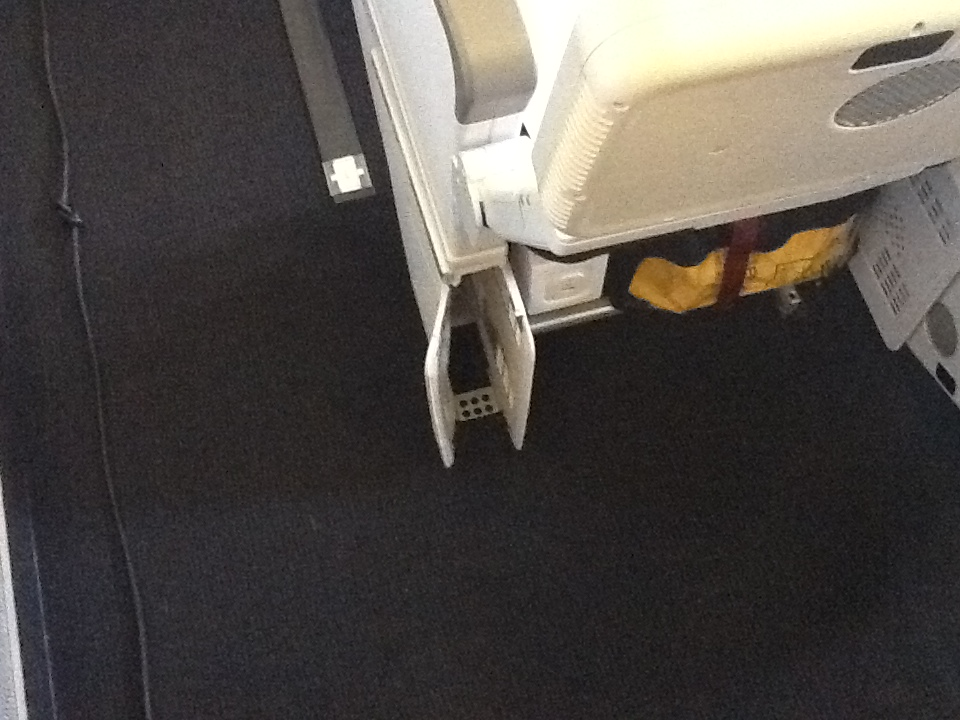
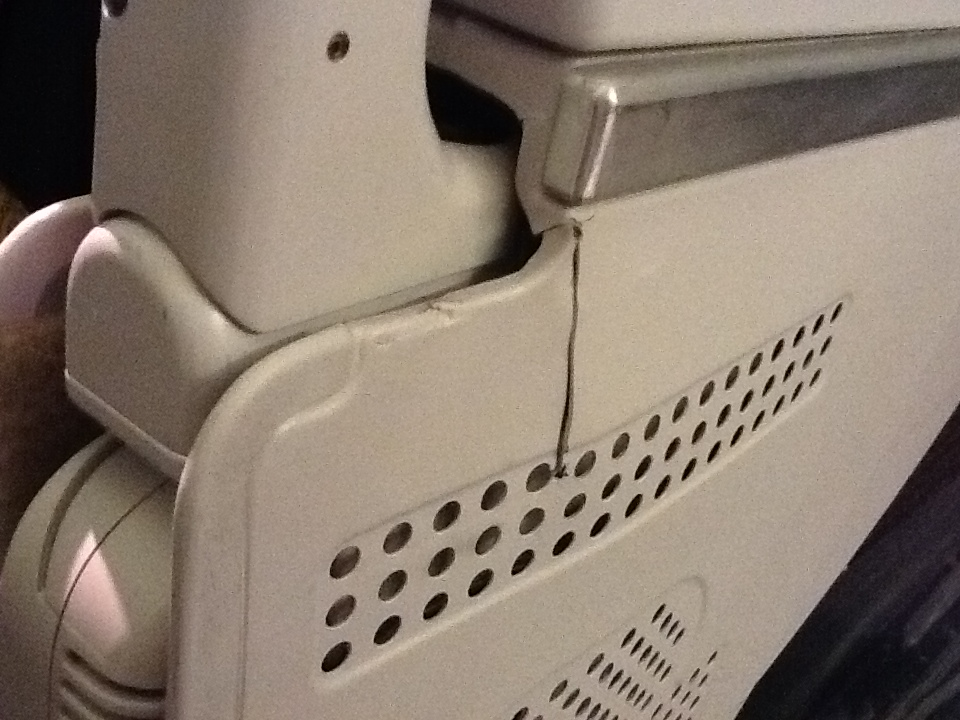
Aisle seats, while convenient for quick access, can also suffer from the wear and tear of frequent passenger traffic. In particular, the armrests and side fairings of aisle seats are often subjected to the impact of food and beverage trolleys, which can lead to damage and deterioration.
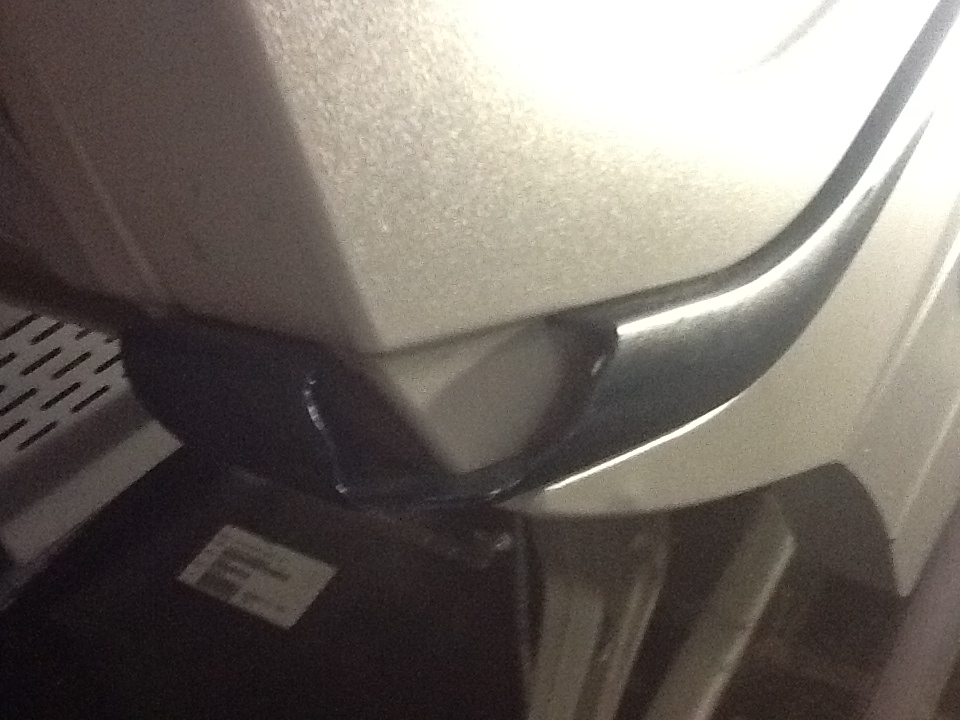
Window Seats: A Maintenance Blind Spot?
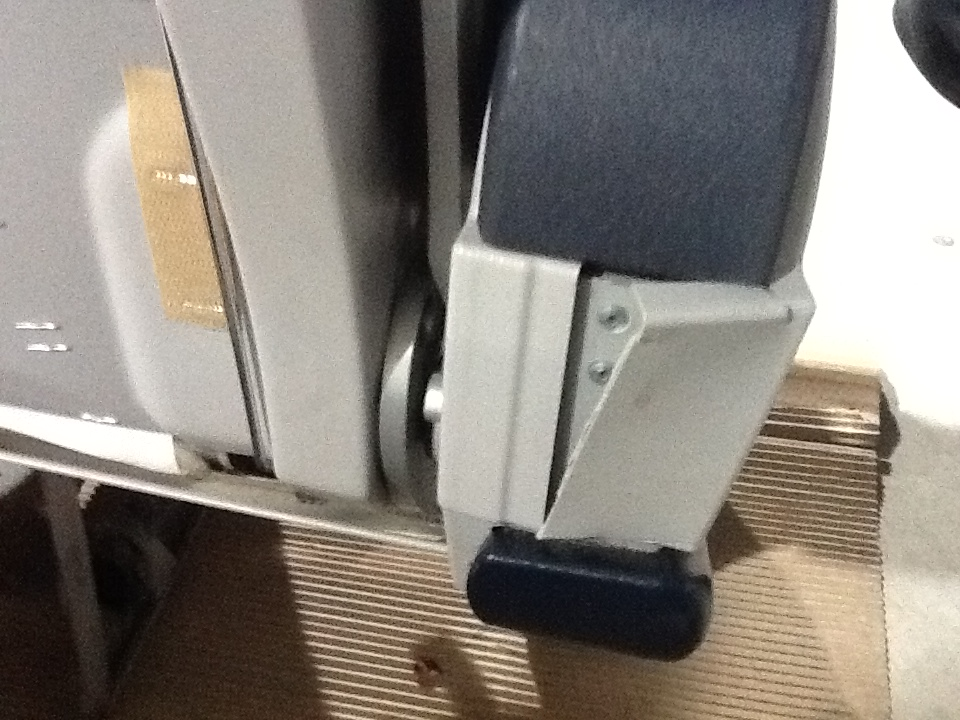
While window seats may seem less prone to wear and tear, they can still suffer from issues. However, their remote location can make them less accessible for maintenance staff, meaning it is convenient prioritizing the most visible findings from the aisle but not from a passenger perspective.
The Takeaway
As personal preferences play a significant role in seat selection, it's worth considering these maintenance insights. By visualizing the potential wear and tear on different seat types, maintenance can be optimized for passenger comfort and ensure the longevity of the aircraft cabins.